Bridal · 13 October 2026
Engagement makeup for Punjabi brides: soft glam that photographs the ring
Roka and engagement makeup is its own look, not a lighter wedding face. How to plan soft glam that photographs the ring, the hands and the smile well.
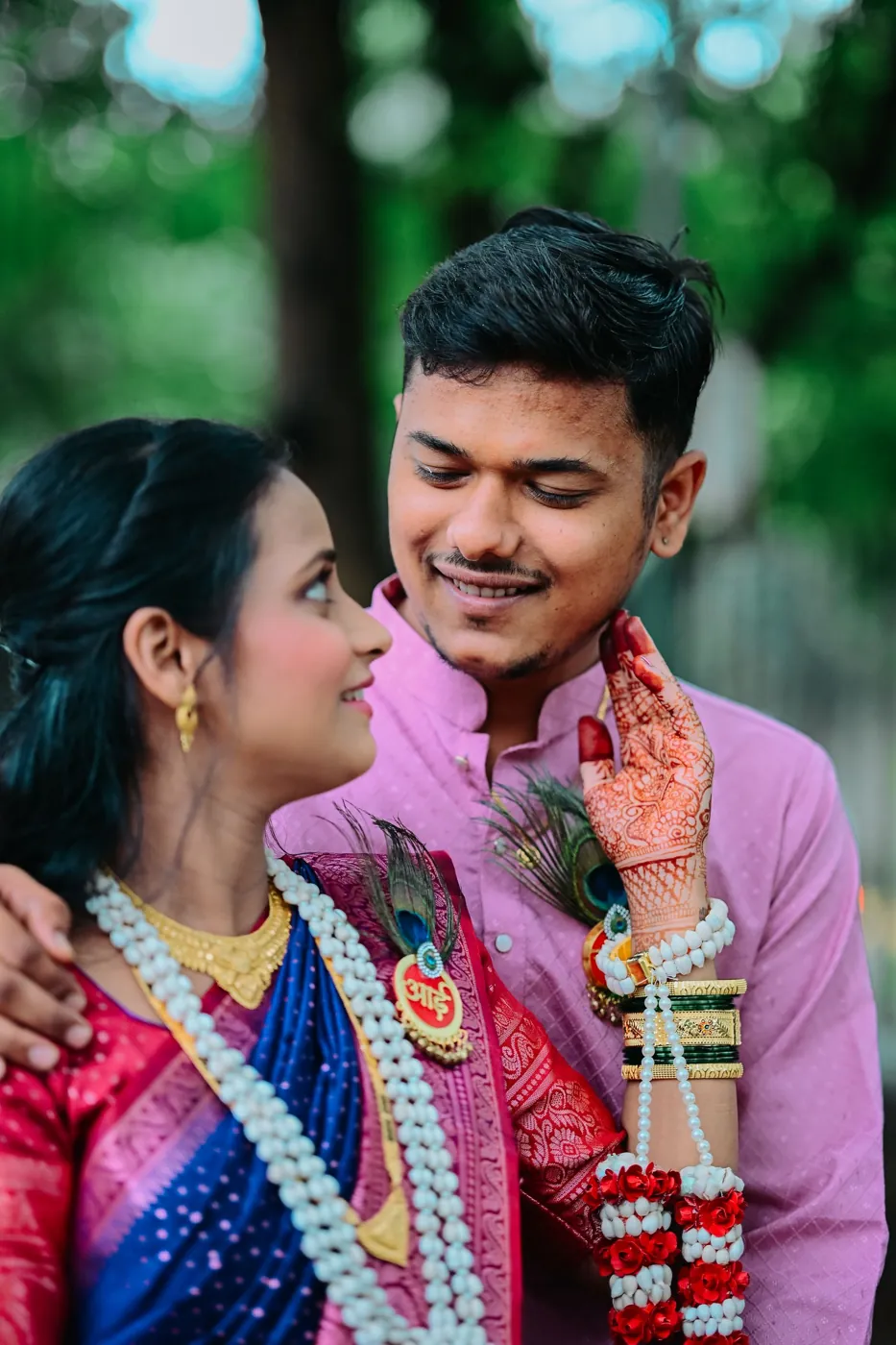
A roka or ring ceremony has a strange habit of getting planned at the last minute. The wedding gets months of attention — venue, outfit, the whole bridal makeup trial process — while the engagement gets slotted in almost as an afterthought, a week or two before. That’s a mistake, because the roka is often the first time the two families are photographed together, the ring goes on camera for the first time, and most brides end up loving these photos as much as the wedding ones. It deserves its own plan, not a scaled-down version of the wedding face.
Why engagement makeup needs its own brief
The instinct is to ask for “the same look, just lighter.” That undersells what the day actually needs. A roka is usually:
- Shorter and more intimate — close family and a handful of guests, often in a living room, a banquet hall function room, or a garden, not a full wedding stage.
- Daytime or early evening — soft natural light or warm indoor light, rarely the dramatic stage lighting of a baraat or reception.
- About hands as much as the face — the ring reveal, the exchange of sagan, the first photographs of the couple together as fiancés.
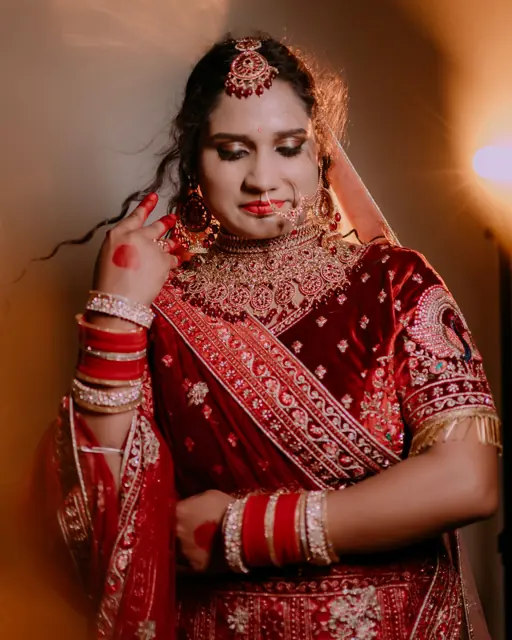
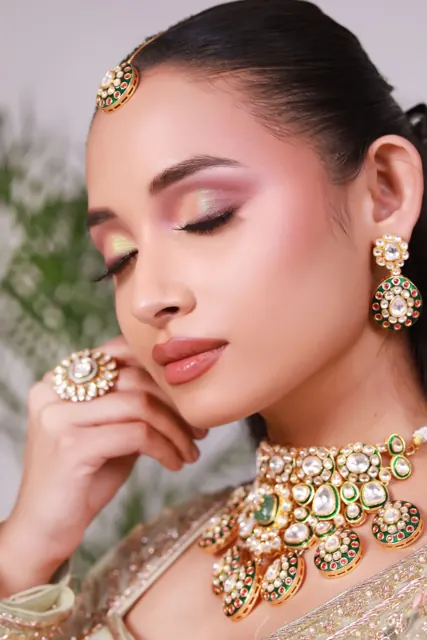
Soft glam for this kind of day means a skin-forward base with just enough definition to hold up in photos, eyes that are groomed rather than smoky, and a lip and blush that flatter whatever colour outfit you’ve chosen — often a lighter lehenga, a saree, or a sharara rather than full bridal red. If your family is combining the roka with a chunni chadana or sagan exchange, the same soft-glam brief works well across the whole function; see our punjabi wedding makeup timeline for how the roka fits into the bigger run of ceremonies.
Getting the hands and ring to photograph well
Brides spend weeks planning their face and almost no time planning their hands, and then the one photo everyone shares is the ring close-up. A few things make a real difference:
- Get a manicure a day or two before, not the morning of — rushed polish chips easily and shows in macro shots.
- Keep other rings minimal on the ring-ceremony hand so the actual ring doesn’t get lost next to other jewellery.
- If you’re also doing mehndi that day or soon after, ask your photographer to take the dedicated ring shots before the mehndi goes on, while hands are still clean and unmarked.
- Moisturise hands well in the days before — Punjab’s drier winter air (especially in Jalandhar, Ludhiana and Amritsar from late November onward) can leave knuckles looking dry under flash photography.
Planning around the season and venue
Roka functions happen year-round, but the plan changes with the month. A September or October function still carries some humidity, so a long-wear base matters even for a “soft” look. A December or January roka in Punjab’s cold, sometimes foggy mornings needs a warmer-toned base so the bride doesn’t look washed out next to winter lighting, and a slightly richer lip to balance heavier winter fabrics like velvet or silk. If the function is outdoors — a lawn or garden roka, which many Chandigarh and Jalandhar families prefer — midday sun calls for a matte-leaning base that won’t shine through by the time photos happen, while an evening garden function needs a base built to transition from daylight into string lights or a bonfire glow.
Hair that suits a shorter function
Engagement hairstyles tend to work best when they’re elegant but quick to maintain through a few hours of hugging relatives and sitting for photos — think a soft low bun, a half-up style with soft curls, or a neat braid with a few strands framing the face, rather than an elaborate wedding updo. If you’re planning to wear a dupatta or chunni over your hair for part of the function, tell your artist in advance so the style is built to hold under the fabric and still look finished once it comes off for photos.
One look, planned early
The biggest advantage of treating the roka as its own event, rather than a rushed stop before the real planning starts, is that you get time for a proper consultation — what you’re wearing, what time the function actually starts (not just what the invite says), and what your photographer wants to capture. Many brides book their roka and wedding makeup with the same artist specifically so the looks feel like chapters of one story rather than two unrelated faces. If you’d like to talk through dates and get a sense of what’s included, our packages page is a good starting point, or message us directly on WhatsApp through /contact/ with your roka date and we’ll help you plan the look from there.
Questions brides ask about this
Should engagement makeup look different from bridal makeup?
Yes. A roka or ring ceremony is usually a shorter, daytime or early-evening family function, so the face should read as fresh and soft glam rather than full bridal — less contour, a lighter base, and colours that suit a lehenga, saree or sharara rather than heavy wedding reds.
How do I make sure my hand and ring show up well in photos?
Keep nail colour simple and well-maintained, skip heavy rings on other fingers that compete with the engagement ring, and ask your photographer for a few deliberate hand-and-ring frames early in the event, before mehndi (if you're doing a chooda or mehndi later) and before the hands get tired from greeting guests.
Do you do makeup for roka functions in Jalandhar and nearby cities?
Yes, we do engagement and roka makeup for brides in Jalandhar and we travel for family functions across Punjab. Message us on WhatsApp via /contact/ with your date and venue and we'll confirm availability.
How far in advance should I book my engagement makeup artist?
Book as soon as the roka date is fixed, especially for November to February weekends, since many brides book the same artist for both the roka and the wedding and dates fill up together.