Groom · 9 October 2026
Sehra bandi and ghodi: groom grooming for baraat day
How groom grooming should be timed around sehra bandi and the ghodi so the face still looks sharp after the dancing, sun and dust of the baraat.
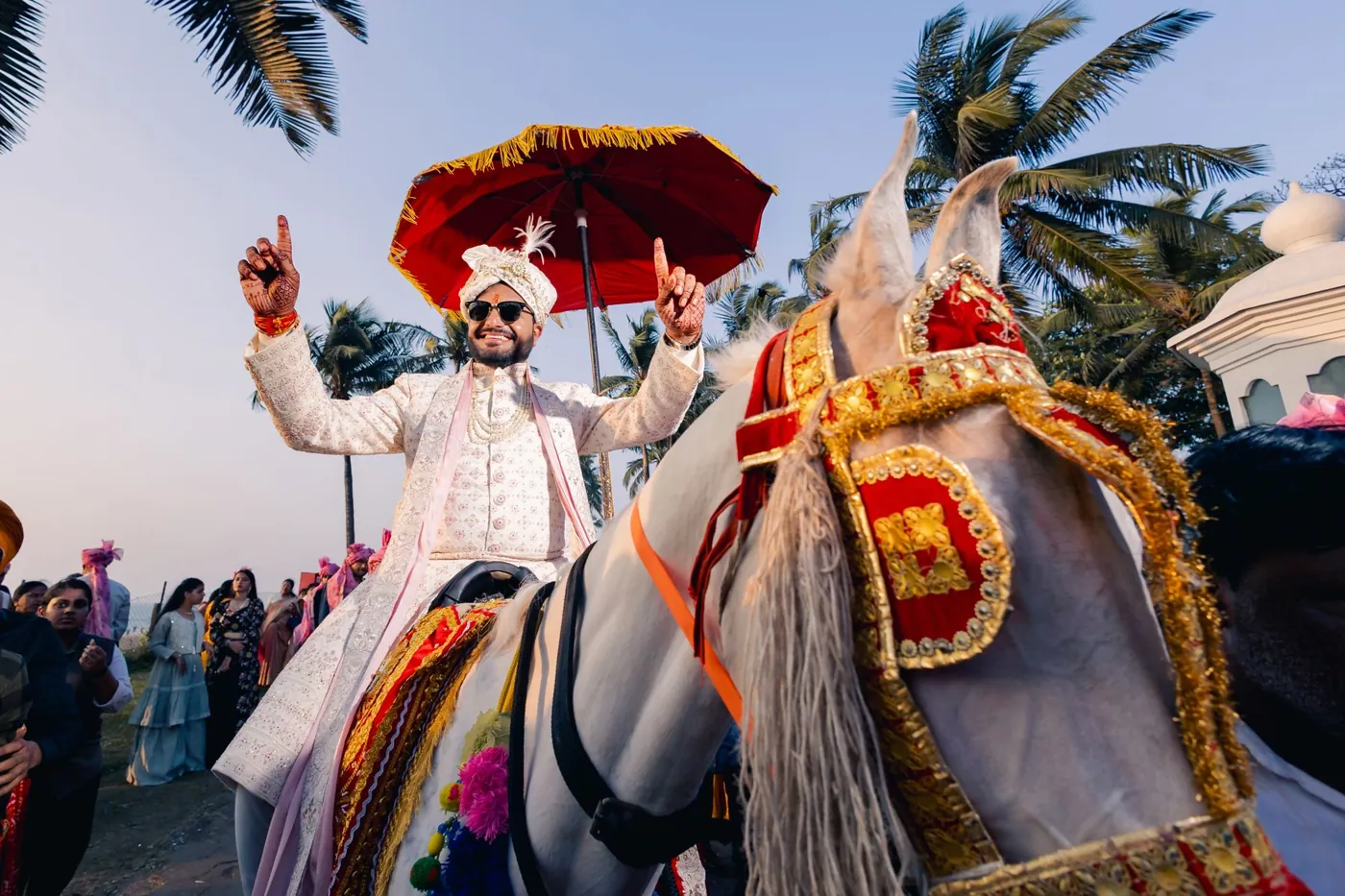
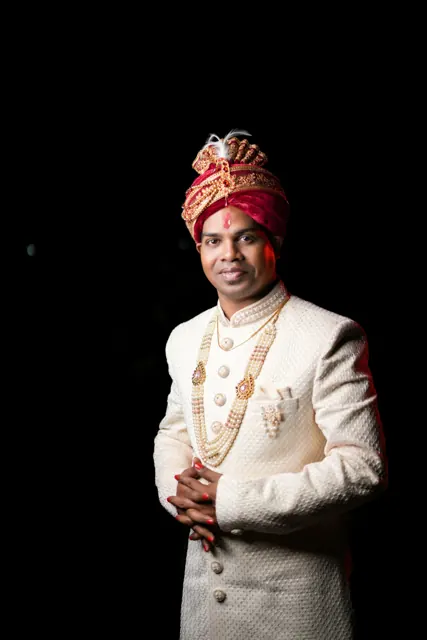
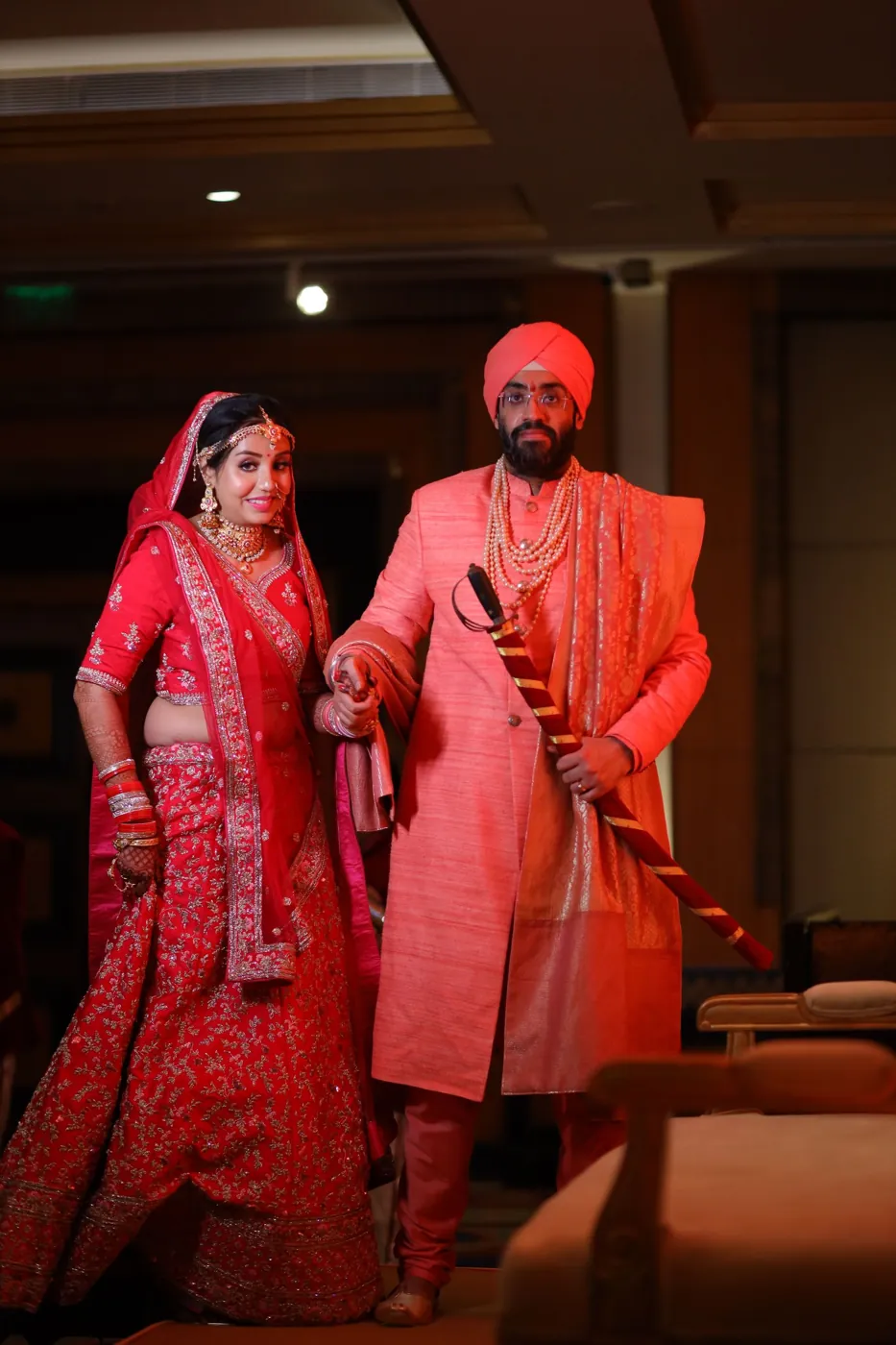
Brides get an entire morning of attention. Grooms get a seat for thirty minutes and then four hours on a horse, in the sun, surrounded by dancing relatives — and somehow the photos from that baraat are the ones everyone replays for years. Getting groom grooming right for baraat day means planning around the sehra bandi and the ghodi, not just around a mirror and a chair.
Why baraat day grooming is different from the rest of the wedding
Most of a groom’s wedding-week grooming — the beard trim, the facial, the haircut — happens over the four weeks before the wedding. Baraat day itself is a different problem. The groom isn’t sitting still in a climate-controlled room for his photos. He’s dancing in the sun, riding a ghodi through a procession that can take anywhere from forty minutes to two hours depending on how enthusiastic the baraat is, and arriving at the mandap looking like he just did all of that — because he did.
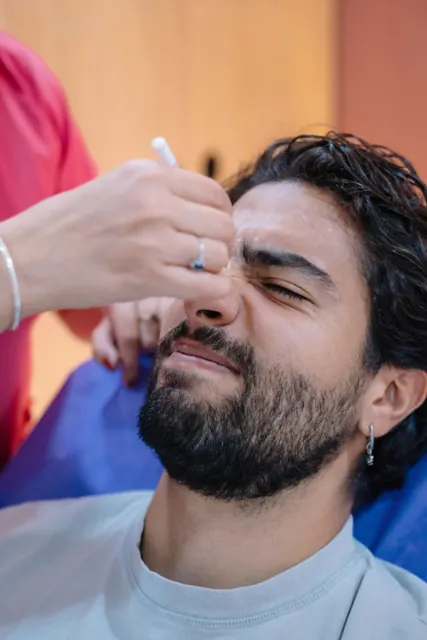
That means the base has to survive heat, sweat, dust from the street or the farmhouse lawn, and the kind of bhangra that doesn’t stop because the groom is wearing a sherwani. A heavy, cakey base will slide and crease within the first twenty minutes. What actually holds is a lightweight, breathable, matte-finish base — skin-tone correction and shine control rather than a mask — set with a translucent powder that won’t go grey or patchy as the groom sweats. We also keep brow and beard work soft rather than sharply defined, since a hard edge is the first thing to blur once there’s any moisture on the skin.
The order: grooming, then sehra bandi, then baraat
The sehra bandi — tying the sehra (the hanging string-of-flowers veil) to the safa, pagri or dastaar — is usually a small, emotional family ceremony on its own, often with the groom’s mother or sisters doing the honours just before he leaves the house or hotel room. It needs to happen after the face is done, not before.
Here’s why the order matters. Once the sehra is tied, there’s very little room to work around the face — the strings hang close to the forehead and nose, and anyone touching up powder or concealer risks catching the sehra or disturbing how it sits. We finish all skin, beard, brow and hairline work first, let it set for a few minutes, and only then hand the groom over for the sehra bandi. Families photographing this moment also get a cleaner shot of the groom’s face before the sehra partially covers it — worth remembering if the sehra bandi is one of the shots on your photographer’s list.
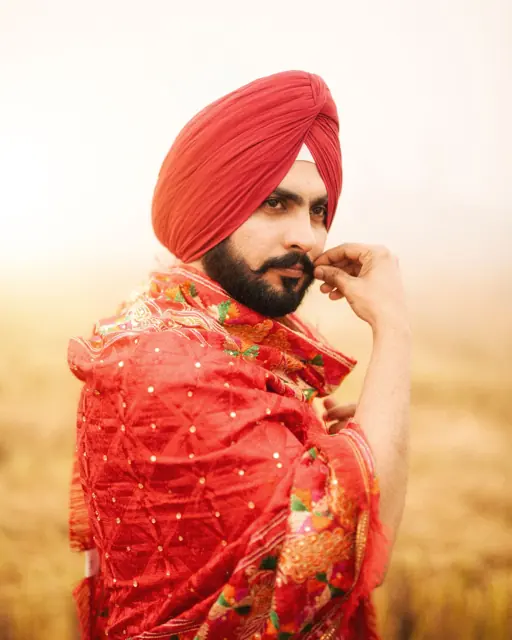
If the groom is wearing a turban or dastaar instead of a safa, the same logic applies even more strictly — see our note on grooming around a dastaar for how we sequence that specifically.
Planning around the ghodi
The ghodi (the decorated mare the groom rides through the baraat procession) adds its own practical wrinkles that have nothing to do with makeup and everything to do with makeup surviving:
- Sun exposure. Most baraats in Punjab happen in late afternoon or early evening, which in summer still means strong sun for the first stretch of the ride. A mattifying, light-coverage base handles this far better than anything with shine or dewiness built in.
- Dust and movement. Processions through a colony street, a farmhouse driveway or a banquet entrance kick up dust, and a moving horse means some amount of bouncing and repositioning. We keep the groom’s look closer to the skin — less product, better set — so there’s less to disturb.
- Height and camera angle. Photographers shoot the ghodi ride from below more often than not, which is unflattering to under-eye shadows and a tired jawline. A touch more correction under the eyes than you’d use for a seated portrait photo is worth it here specifically.
- Timing drift. Baraats almost never start on time. If the groom is fully ready forty-five minutes early, that buffer absorbs the usual delay without the makeup having to hold for an extra hour it wasn’t planned for.
What to carry for the ride itself
We hand the family (usually a brother or close friend who’s with the groom the whole time) a small kit: blotting sheets rather than tissues, a compact matte pressed powder, and a lip balm with a bit of tint if the groom’s lips tend to dry out from being outdoors. Nobody needs a full touch-up mid-baraat — a thirty-second blot-and-powder just before the groom dismounts and walks to the mandap is usually enough to reset the shine from the ride and the dancing without looking freshly done.
Where this fits into the full-day plan
Baraat-day grooming is one piece of a bigger timeline that usually starts the night before with a trim and facial, continues the morning of with the main grooming session, and ends at the reception with a second, sharper touch-up once the day’s heat and dancing are behind you. If you’re mapping the whole day — roka to sehra bandi to pheras to reception — our guide to the full Punjabi wedding timeline walks through how the bride’s and groom’s schedules line up so neither of you is waiting on the other.
Groom grooming is a small part of most wedding budgets and an easy one to treat as an afterthought — until the ghodi photos come back. If you’re planning a baraat day and want a grooming plan built around your actual timeline, venue and ride, get in touch with details of your wedding date and city on WhatsApp via our contact page, or have a look at what’s included across our groom packages.
Questions brides ask about this
Should grooming happen before or after the sehra bandi?
Before. Skin, beard and brow work needs a clean, dry face to set properly, and the sehra bandi itself — tying the sehra to the safa or turban — goes much easier when no one is worried about smudging fresh makeup. We finish grooming first, then the family ties the sehra.
Does the ghodi ride ruin the makeup before the groom even reaches the mandap?
It can, if the base isn't built for it. An hour or two in the sun, on a moving horse, with dust from the baraat procession around you, needs a matte, sweat-resistant base rather than a heavy one — we plan for the ride, not just the standing photos.
How far in advance of the baraat should the groom be ready?
We aim to finish forty-five minutes before the baraat is due to start, so there's time for the sehra bandi, family photos and a buffer for the baraat starting late, which it almost always does.
Can touch-ups happen mid-baraat, once the dancing has started?
Yes, and we build that into the plan. A small touch-up kit — blotting sheets, a travel-size matte powder, a lip balm — goes with the family so someone can freshen the groom's face just before he reaches the mandap, after the dancing and the ghodi ride are done.