Bridal · 12 September 2026
Anand Karaj bridal makeup: a look that lasts from matha tek to the doli
What makes an Anand Karaj morning different for makeup and hair — early starts, the dupatta, chooda and kaleere, gurdwara light — and how we design a look for it.
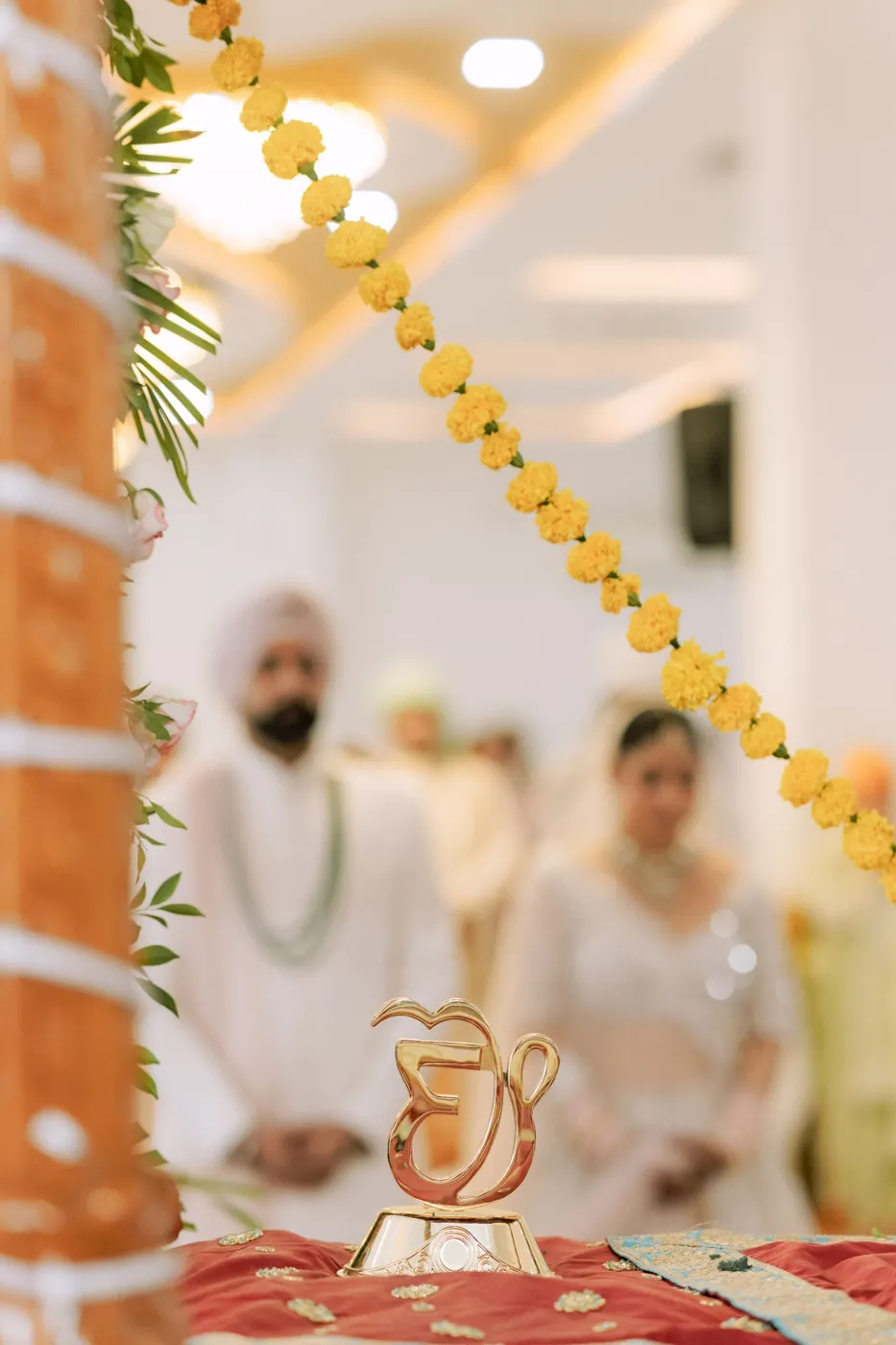
An Anand Karaj morning has its own rhythm: an early start, a bright daylight hall, hours of sitting and bowing, a heavy dupatta, and then the doli at the end of a very long day. Here is how we design an Anand Karaj bride’s look around all of it.
The start time
For an 8 or 9 am ceremony the team is with you by 4–5 am. We bring our own lights because nobody’s bedroom is lit for makeup at that hour. Have your outfit, jewellery and chooda laid out the night before. Eat something small before we start; you will not get another chance for hours.
The light
Gurdwara light is daylight — often from large windows and white marble. It is the most honest light there is. The base must be colour-matched to your neck, matte-to-satin (never shiny), with no flash-back from powders. We test under daylight at the trial for exactly this reason.
The look
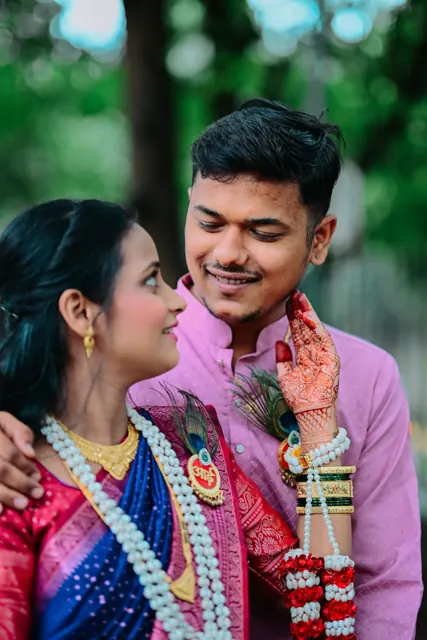
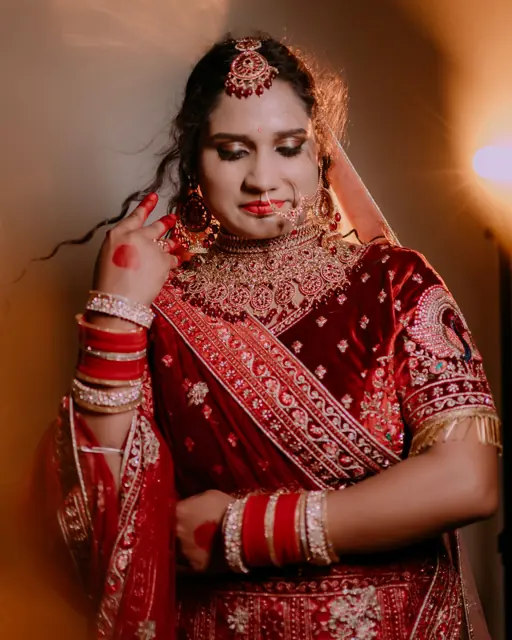
Classic beats trendy here. Think red, maroon or rust tones; a defined eye with a soft wing rather than heavy cut-creases; lashes that read on camera from across the hall; a lip with staying power. Skin should glow, not sparkle. This look will be in the photographs on the wall for fifty years — it should not date in five.
The dupatta
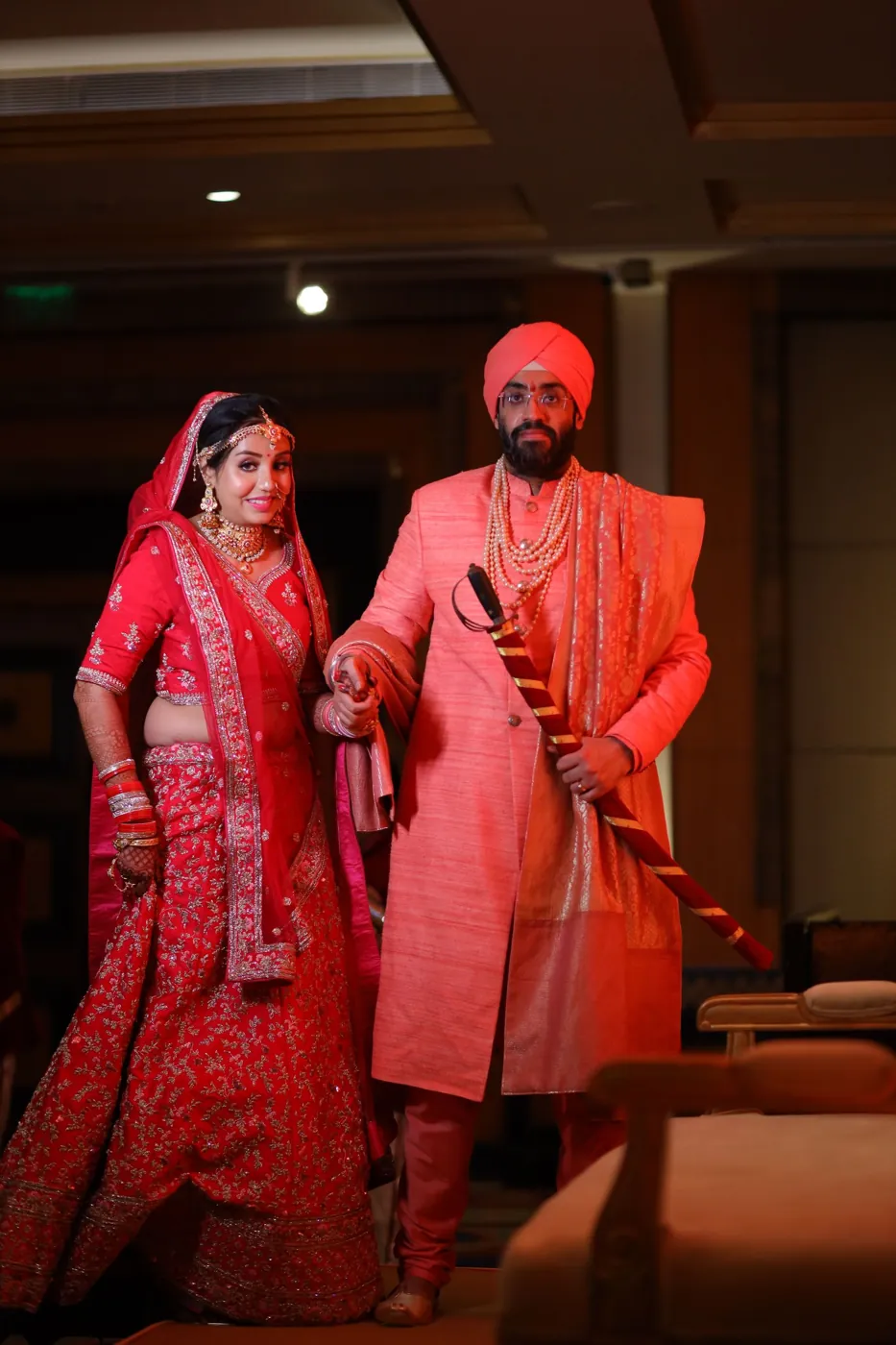
The dupatta is the engineering problem of the morning. It has to sit modestly over the head through matha tek and the laavan, come back cleanly for photos, and not pull the hairstyle down. We use a double-dupatta setting where possible, pin into a foundation of hair (not just the tikka), and set the kaleere so they fall in the right direction when you walk.
Chooda and kaleere
The chooda ceremony usually happens in the middle of our timeline. We set the base and eyes first, pause for the chooda, and finish hair and draping after — so there is no smudging and you are free to hold hands and hug. Kaleere are pinned into the dupatta and the chooda, not just hooked, so they survive the dancing at the end of the day.
Hair
Anand Karaj bridal hair has to carry weight: dupatta, tikka, sometimes a passa or a mathapatti. A structured braid or a pinned low bun holds all of it. Open hair looks lovely in a reel and is a problem by hour three.
The long day
From a 5 am start to a late doli is twelve to sixteen hours. Long-wear products and proper setting are non-negotiable, and for full-day bookings an artist stays on standby for a refresh after the ceremony. We also leave a touch-up kit with a sister or friend.
Family in sync
Mum, sisters and bhabhis are usually getting ready in the same house. A second artist does them alongside you, in the same colour story, so the family photos look like one picture.
If your wedding is a morning Anand Karaj in Jalandhar, Amritsar, Ludhiana or anywhere in Punjab, tell us the date — early starts are our normal.
Questions brides ask about this
What time does makeup start for a morning Anand Karaj?
Usually 4–5 am for an 8–9 am ceremony. Hair, makeup and draping take about three hours, and the photographer wants you ready before you leave.
Will heavy makeup look wrong in the gurdwara?
The gurdwara is bright daylight and the look should be classic and respectful — glowing skin, a defined but timeless eye, a dupatta set modestly. It should still photograph beautifully from the laavan.
When does the chooda go on?
After the base is set and before the dupatta is pinned. We build it into the morning timeline so nothing smudges.