Planning · 11 October 2026
How long does bridal makeup take? A realistic timeline for your wedding morning
How long bridal makeup, hair and draping actually take for a Punjabi wedding, and how to build a wedding-morning timeline that doesn't rush the bride.
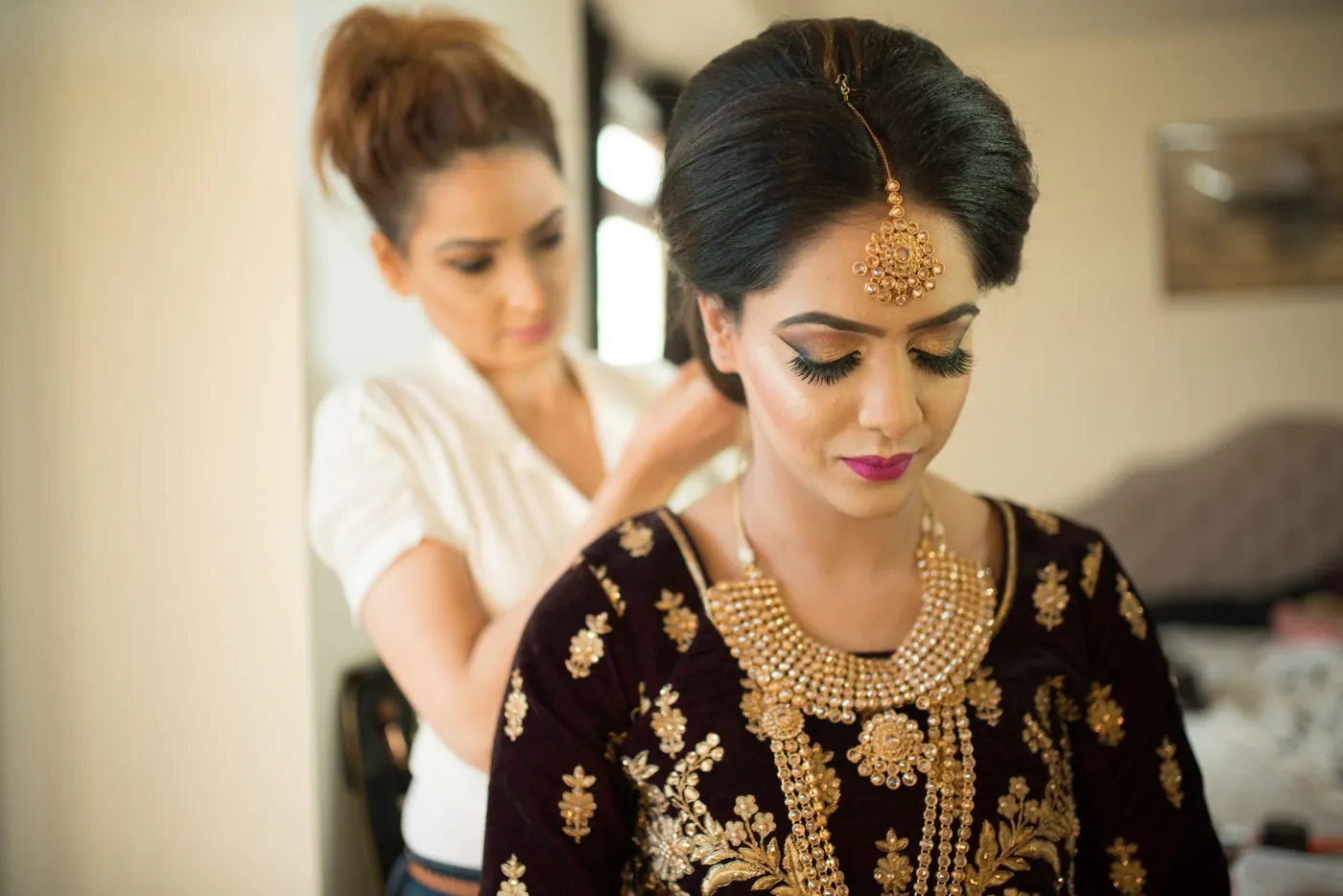
Every bride asks this at some point in planning, usually when she’s staring at the ceremony time the pandit or the gurdwara has given and trying to work backwards: “so what time do I actually need to wake up?” It’s a fair question, and the honest answer is that bridal makeup takes longer than most brides expect — not because any one step is slow, but because a wedding look has more steps than a normal makeup application, and a Punjabi wedding morning usually has more people, more jewellery and more fabric involved than a regular one.
Here’s a realistic breakdown, and how to build the timeline around it so nobody is rushed.
The core bridal look: 2.5–3.5 hours
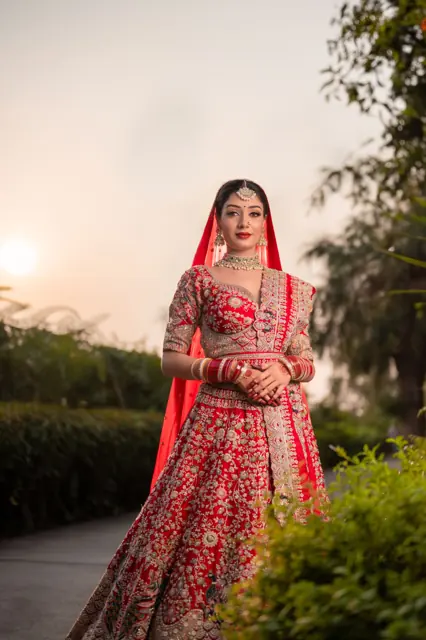
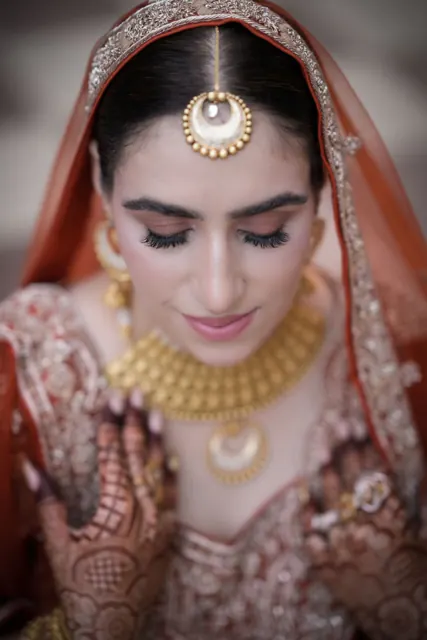
For a full wedding-day look — HD or airbrush base, eyes, lashes, lips, hairstyling, and draping the dupatta or chunni with the maang tikka and jewellery set properly in place — plan for two and a half to three and a half hours, start to finish. That breaks down roughly as:
- Skin prep and base: 30–40 minutes. This is not rushed — primer, colour-matching to the neck and chest, building coverage in thin layers, and setting it so it survives a long day of hugs, photos and emotional moments.
- Eyes and lashes: 30–45 minutes, more if there’s intricate eye work, heavy liner, or a dramatic smoky finish to match a darker lehenga.
- Lips and final detailing: 10–15 minutes.
- Hair: 45–60 minutes, depending on whether it’s an open curled style, a bun with floral or jewellery work, or a style that has to hold a heavy dupatta or veil in place for hours.
- Draping and jewellery placement: 15–25 minutes. The maang tikka, nath, jhoomar and the final chunni or dupatta set all happen last, once hair is fixed, so nothing shifts.
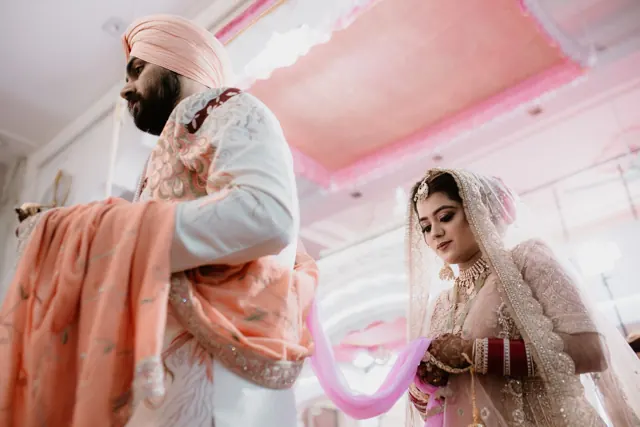
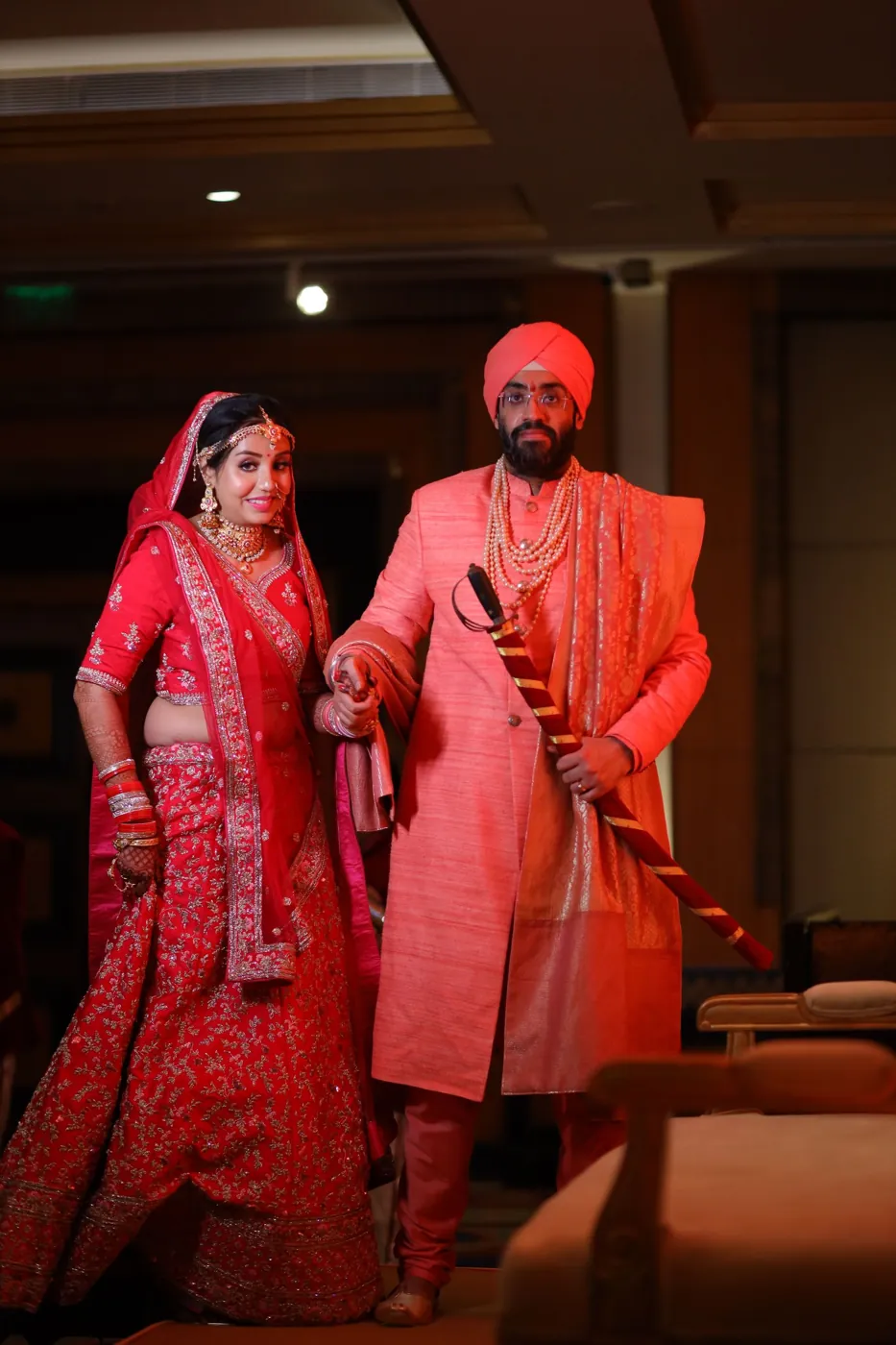
If this is your wedding day and the outfit is heavy — a full Anand Karaj lehenga with a long train, or kaleere and a dense chooda set that needs photographing carefully — add another 20–30 minutes of buffer. Nobody wants the artist rushing the final pleats of your dupatta five minutes before the doli car arrives.
Shorter looks: 90 minutes to 2 hours
Not every function needs the full treatment. A roka, sagan, or an engagement day look is usually simpler — softer base, simpler eyes, open or half-tied hair — and takes 90 minutes to two hours. A reception look, even though it should be a different look from the wedding day rather than a repeat, is also often quicker on application time since there’s no dastaar, turban or heavy veil logistics to work around — though many brides choose to go bolder for the stage, which can add back 15–20 minutes for a more dramatic eye or a statement lip.
Building the morning around it, not the other way round
The mistake we see most often is brides working out the makeup time correctly, then forgetting to add buffer for everything that happens around it:
- Work backwards from the ceremony time, not the muhurat time on the card. If the Anand Karaj is at 10 am, the family usually wants you ready and photographed at home 45–60 minutes before, to allow for travel to the gurdwara and for the getting-ready photos the photographer will want.
- Add 20–30 minutes of pure buffer for things that always happen — a late jeweller delivery, a phone call that has to be taken, someone needing to iron the dupatta again. This buffer is what keeps a late start from becoming a late ceremony.
- Eat breakfast before the artist starts on your face, not during. Once base makeup is on, eating risks smudging the lip line, and a heavy meal right as hair starts can mean an uncomfortable two hours in a chair.
- Tell family and photographers the real finish time, not the ceremony time. If you’ll be ready at 9:15 for a 10 am Anand Karaj, say 9:15 to the photographer too, so they arrive in time to catch the final draping and jewellery, which are often the most photogenic minutes of the whole morning.
- If there’s a second look needed later — for example changing from a lighter day look into a heavier evening look for the reception — build in a dedicated touch-up slot rather than assuming it’ll happen “in between” other things.
What changes the timeline
A few things reliably add time, and it’s worth flagging them to your artist in advance rather than discovering them on the morning: very oily or very dry skin that needs extra prep, a hairstyle that has to accommodate a dastaar removal and re-tie later in the day, hair extensions being fitted for the first time, or more than one bride-side function happening back to back (for instance mehndi hands still drying when hair needs to start). None of these are a problem — they just need to be in the plan.
If you’re booking for a wedding in Jalandhar, Chandigarh, Ludhiana or Amritsar and want help building the actual hour-by-hour morning — ceremony time, travel, photographer arrival and all — that’s exactly the kind of planning conversation worth having at your bridal makeup trial, not for the first time on the wedding morning itself.
Share your ceremony time and venue on WhatsApp via our contact page and we’ll help you work out a timeline that gets you ready calmly, with time to spare — not rushed in the last ten minutes before the doli.
Questions brides ask about this
How long does full bridal makeup take on the wedding day?
For a full HD or airbrush bridal look with hairstyling and dupatta or chunni draping, budget 2.5 to 3.5 hours. A simpler sagan or reception look can be done in 90 minutes to 2 hours.
Should the makeup start before or after breakfast?
Before. Eat a proper breakfast first — once base and hair are done, eating or drinking becomes awkward and risks smudging the lip or collar area of the outfit.
What if the pandit or gurdwara time gets moved earlier?
Tell your artist the moment you know. Most timelines have a 30–45 minute buffer built in precisely for this, but the earlier we know, the earlier we can shift the whole morning instead of rushing the last steps.
Do hair and makeup happen together or one after another?
One after another for the bride herself — base and eyes first, then hair, so hairspray and pins don't disturb the face. If there are bridesmaids or family getting ready too, a second artist can work on them in parallel.