Skin & Hair · 17 October 2026
Paranda braids for Punjabi brides: when they work and how to make them last
A practical guide to paranda braids for Punjabi bridal functions — which ceremonies suit them, how they're styled with chunni or dupatta, and how to keep them neat all day.
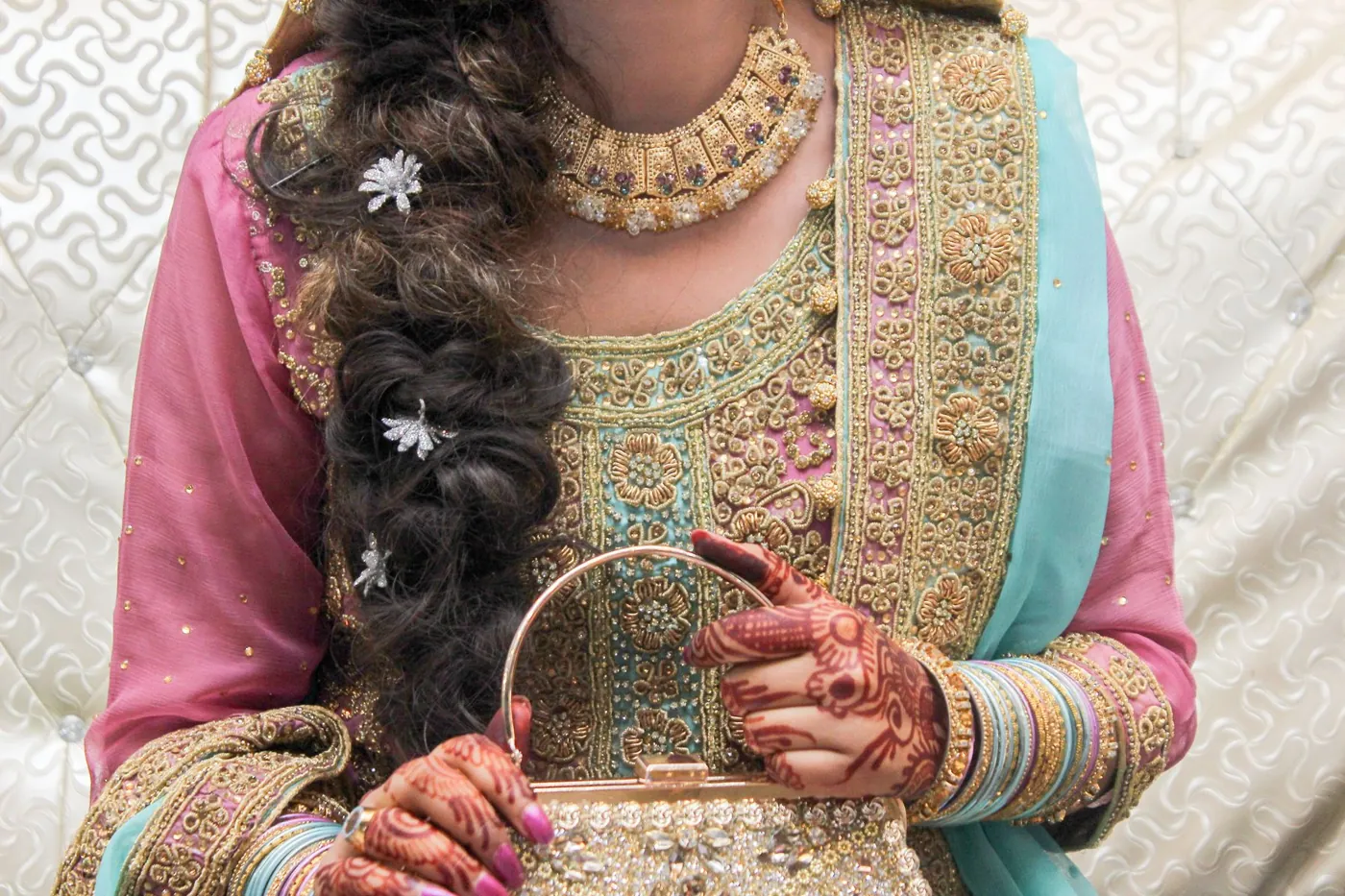
The paranda — the tasselled, often colourful braid ornament tied into a long plait — is one of the most recognisable pieces of Punjabi bridal styling, and one of the most asked-about at trials. Brides usually see it on Instagram and want to know if it will actually suit their function, their outfit and their hair, or if it’s going to look like a costume piece rather than part of their own look. Here’s how we actually use it.
Where a paranda braid genuinely works
A paranda earns its place at the functions where the hair itself is meant to be part of the show — mehndi, sangeet, and especially jaggo, where brides are moving, dancing and being photographed from the back as much as the front. A long braid with a paranda swinging at the end photographs beautifully in that setting, and it pairs naturally with the kind of bright lehenga or ghagra most brides choose for these pre-wedding nights.
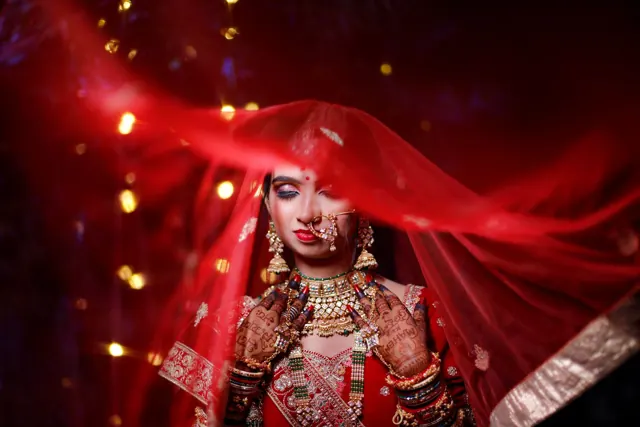
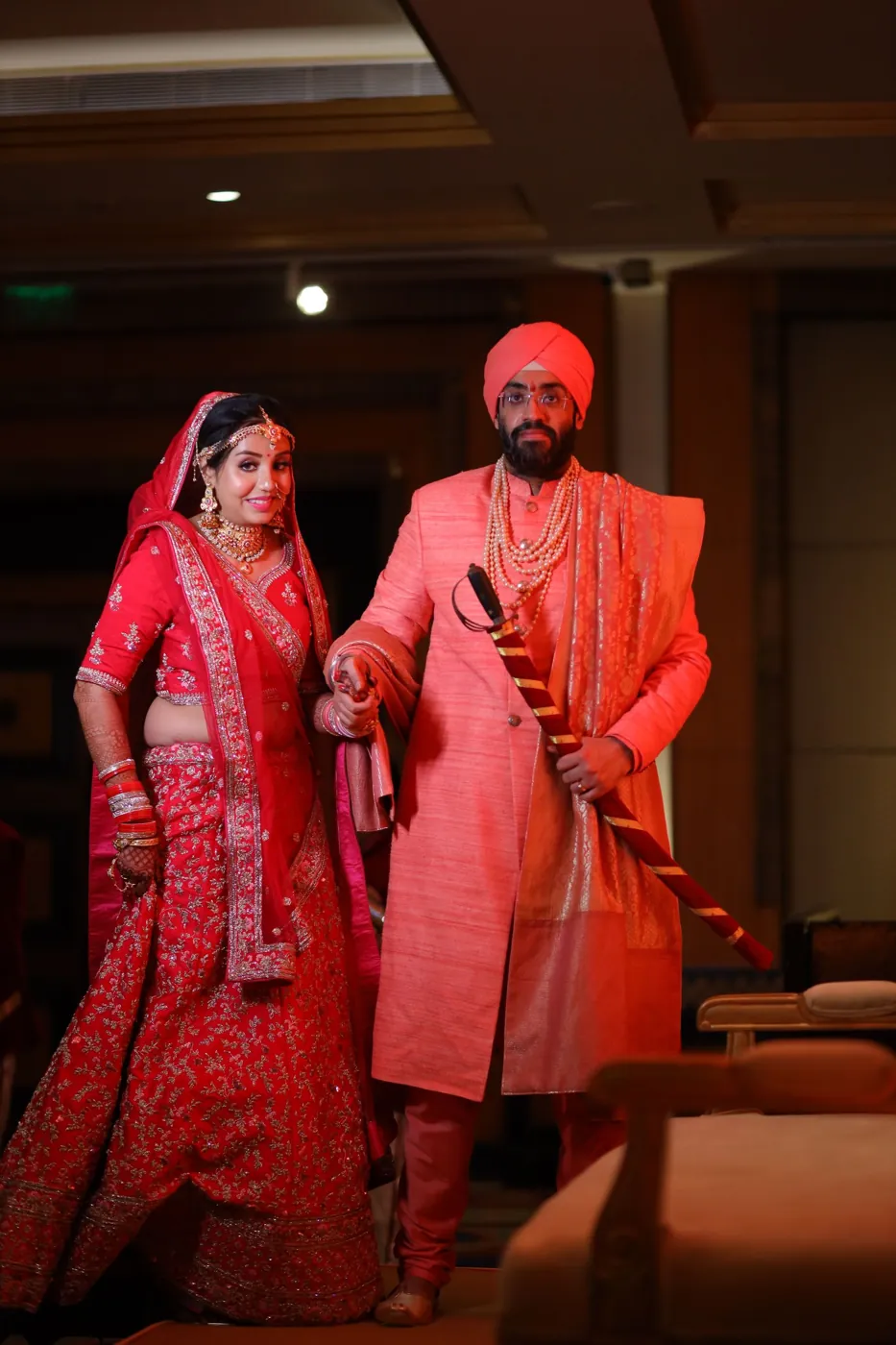
It’s less suited to the main ceremony — Anand Karaj, pheras or a Hindu wedding ceremony — where most brides are wearing a chunni or dupatta draped over the head for a large part of the day. A single thick braid can work under that drape, but it has to be positioned and pinned with the drape in mind from the start, or it ends up fighting the fabric instead of sitting with it. If you do want a braid for your main-day look, say so clearly at the trial so we can plan the chunni setting around it rather than adjusting on the morning.
Matching the braid to the outfit, not just the trend
The paranda’s colours should talk to your outfit, not compete with it. For a mehndi in yellow and green, a paranda with gold or green tassels pulls the whole look together; for a sangeet in jewel tones, we’ll often go with one or two colours lifted straight from your dupatta or jewellery rather than a rainbow paranda that pulls focus from your face. If you’re not sure, bring a photo or swatch of your outfit to the trial — matching from a screen photo on the day of is too late to adjust properly.
Hair texture matters too. A paranda sits best on hair with some length and weight to hold a plait — if your hair is on the shorter or finer side, we can still achieve the look using the paranda as a woven-in extension rather than relying on your natural hair alone, which is a conversation worth having early rather than assuming it won’t work for you.
Styling it so it survives dancing, not just photos
The biggest complaint we hear about paranda braids isn’t how they look — it’s that they come loose halfway through a sangeet after an hour of dancing. The fix is in the base: the braid needs to be started from a secure, well-pinned section at the crown, not just plaited loosely and left to hang. We also avoid tying the paranda itself too tightly against the scalp, since that’s what causes tension headaches by the end of a long evening of giddha or bhangra.
If your hairstyle also needs to work with a heavy dupatta or a half-up style for part of the day, it’s worth planning that transition at the trial too — we’ve written separately about hairstyles that hold up under a heavy chunni or dupatta, which covers a lot of the same pinning principles that keep a paranda braid in place.
A full look, not just the braid
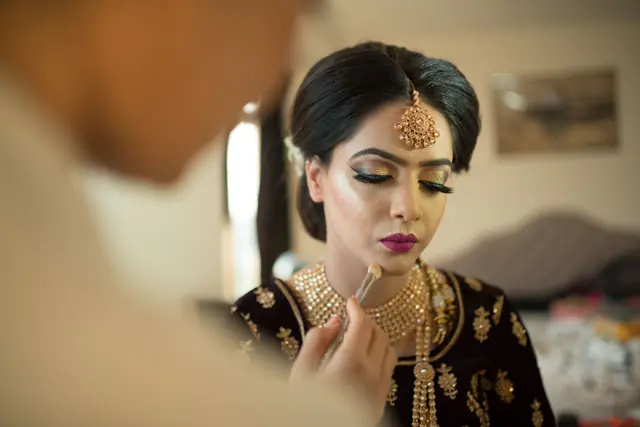
A paranda braid is one piece of a bigger picture — it should sit alongside makeup and an overall look that’s planned together, not added as an afterthought. At your bridal makeup trial, bring reference photos of the braid style you like along with your outfit details, and we’ll build the hair into the same conversation as your base, eyes and lip colour so everything reads as one look, not separate pieces stitched together on the day.
For brides planning hair across multiple functions — a paranda for mehndi, something sleeker for the main ceremony, a different style again for the reception — it helps to map this out as part of your overall wedding timeline so we know what to plan for at each stage rather than deciding function by function at the last minute.
If you’re weighing up a paranda braid for your own functions and want to see what will actually suit your hair, outfit and venue, message us on WhatsApp through our contact page and we’ll talk it through before your trial.
Questions brides ask about this
Is a paranda braid suitable for the main wedding day, or only for smaller functions?
It can work for Anand Karaj or pheras if that's genuinely the look you want, but most brides save it for mehndi, sangeet or jaggo, where the braid itself is meant to be seen. On the main ceremony day, a bun or half-up style usually makes more sense because it needs to sit under a chunni or dupatta drape for hours without shifting.
Will a paranda braid survive a full day of dancing at sangeet or jaggo?
Yes, if it's pinned properly at the base and the paranda is tied in rather than just clipped on. We always do a quick jump-and-shake test with the bride before she leaves the chair — if it holds through that, it holds through giddha and bhangra. A braid that's too tight right at the scalp is the main cause of headaches by the end of the night, so we balance hold with comfort.
Can I wear a paranda braid if my hair is short or thin?
Yes — most parandas are attached as extensions woven into your natural hair from roughly ear level down, so length and thickness at the root matter less than you'd think. We bring a couple of paranda colour and thickness options to the trial so it blends with your own hair instead of looking obviously added on.